
blog, Garden Blog
Why Native Plants Matter for Pollinators
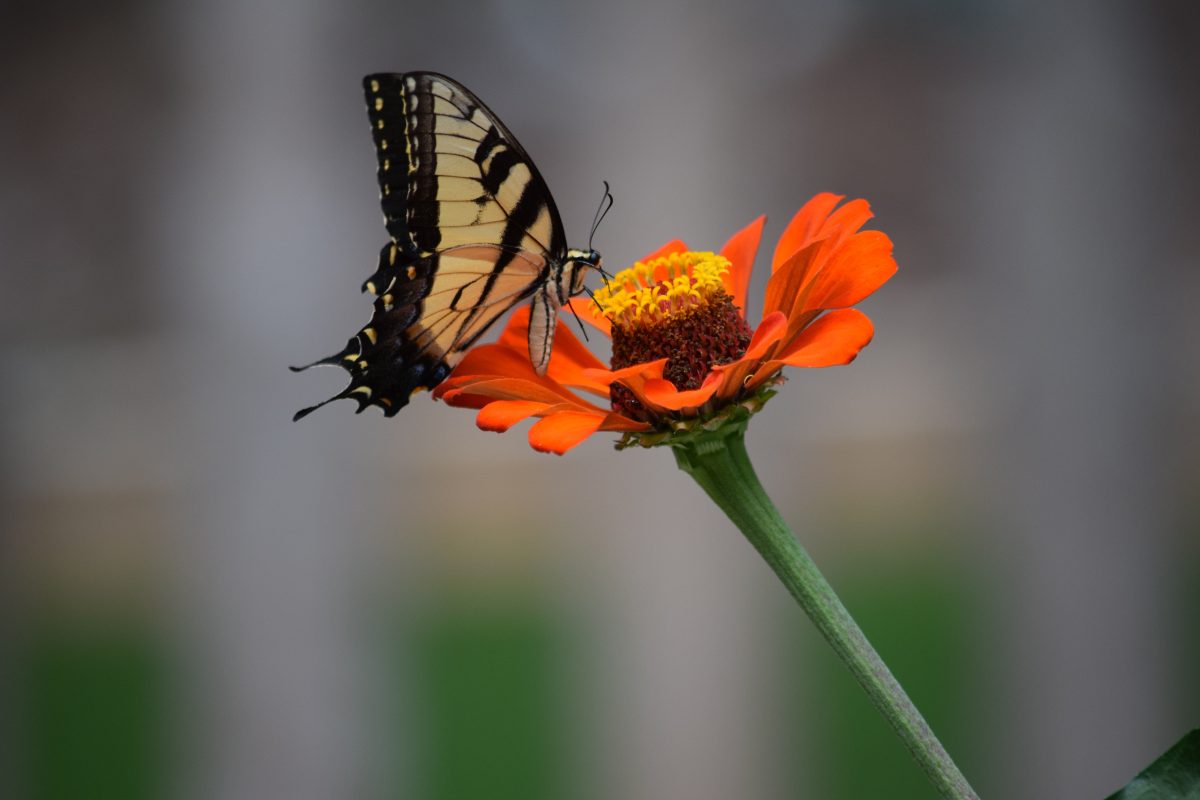
Jun
A healthy garden does more than look beautiful. It can feed bees, support butterflies, shelter birds, and strengthen the local ecosystem right outside your door. One of the best ways to create that kind of living, thriving space is by adding native plants.
Native plants are plants that naturally grow in a specific region without needing extra help to survive. Because they developed alongside local wildlife, they are especially valuable to the bees, butterflies, moths, birds, and beneficial insects that depend on them for food and habitat.
Pollinators need more than just flowers. They need the right flowers at the right time. Native plants often provide nectar, pollen, seeds, berries, and foliage that local wildlife recognizes and can actually use. For example, many native bees are specialists, meaning they rely on certain native plants to gather pollen. Butterflies may visit many blooms for nectar, but their caterpillars often need specific host plants to survive. Monarch butterflies, for instance, depend on milkweed as a host plant.
Birds benefit from native plants, too. Native shrubs, trees, grasses, and perennials support insects, and insects are a major food source for nesting birds. Native plants can also provide seeds, berries, nesting sites, and protective cover. When you plant natives, you are not just planting flowers. You are helping build a food web.
Native plants also support healthier gardens because they are well adapted to local growing conditions. Once established, many need less water, fertilizer, and maintenance than plants that are not suited to the area. Their deep root systems can help improve soil health, reduce erosion, and manage rainwater more naturally. That means a native garden can be both beautiful and practical.
You do not need to replace your entire landscape to make a difference. Start small by adding native perennials to an existing bed, planting a pollinator-friendly border, or choosing a native shrub for birds and butterflies. Aim for a variety of plants that bloom at different times of year, so pollinators have food from spring through fall. Including different flower shapes, heights, and colors will help support a wider range of wildlife.
Even one container, one garden bed, or one corner of the yard can become part of a larger pollinator pathway. When more homeowners plant native flowers, shrubs, grasses, and trees, those small spaces begin to connect, giving pollinators and birds more places to feed, rest, and reproduce.
Visit our garden center to explore native plants that are well suited to our local area. Our team can help you choose plants that support pollinators, fit your garden style, and thrive in your space.
FAQ: Native Plants and Pollinators
Do native plants attract more bees?
Yes. Many native plants are excellent nectar and pollen sources for local bees, including native solitary bees and bumblebees.
Are native plants good for butterflies?
Yes. Native plants provide nectar for adult butterflies and, in many cases, host plants for their caterpillars.
Can I mix native plants with non-native plants?
Absolutely. You can add natives gradually to an existing garden while still enjoying favorite annuals, perennials, and shrubs.
Do native plants need less care?
Once established, many native plants need less watering and fertilizer because they are adapted to local soil and weather conditions.
What is the easiest way to start?
Begin with a few native perennials or shrubs that bloom at different times of year. This gives pollinators a longer season of food and support.
